St. Brigid’s Cross

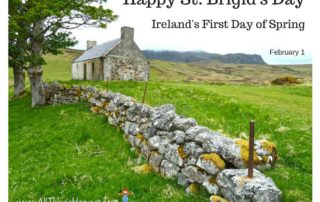
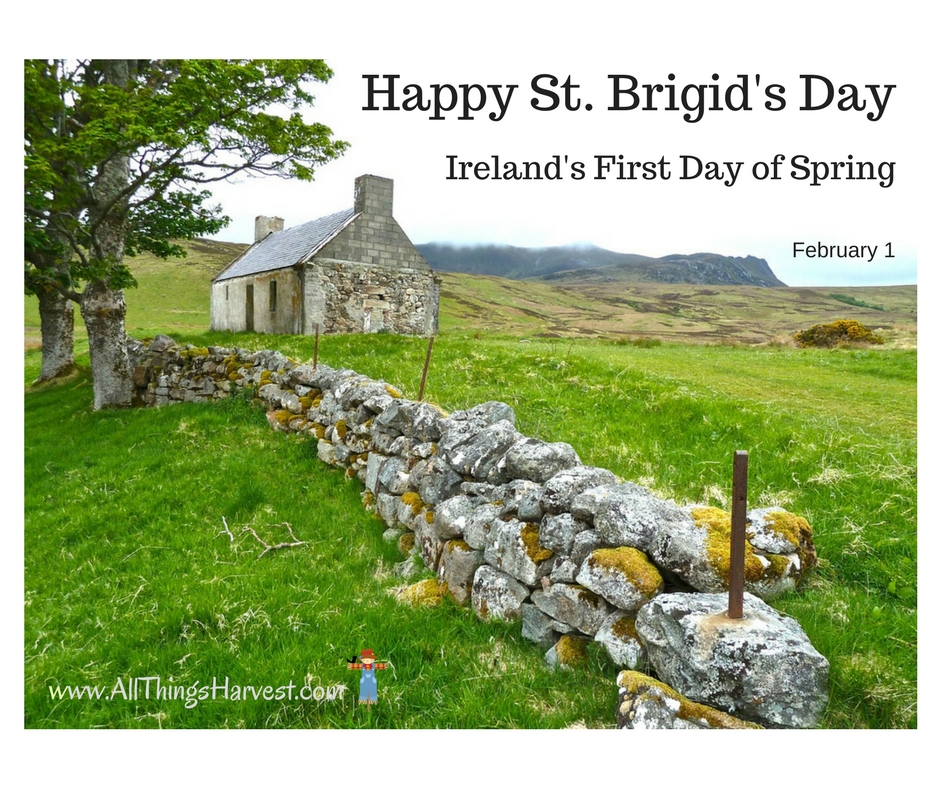
Celebrate Traditions–Happy St. Brigid’s Day–Ireland’s First Day of Spring

St. Brigid is one of Ireland’s most popular saints–second only to St. Patrick who was responsible for her conversion.  Her feast day coincides with ancient Imbolc which heralds the return of Spring.  Brigid shares the name of the Celtic goddess that is associated with Spring, fertility, and healing.  St. Brigid was born to a pagan father, who was a chieftain, and a Christian mother, who was a slave.  Hence Brigid was born a slave and spent part of her childhood in slavery.

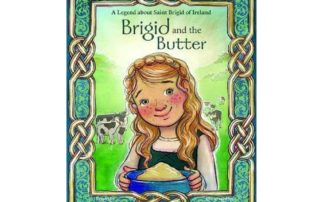
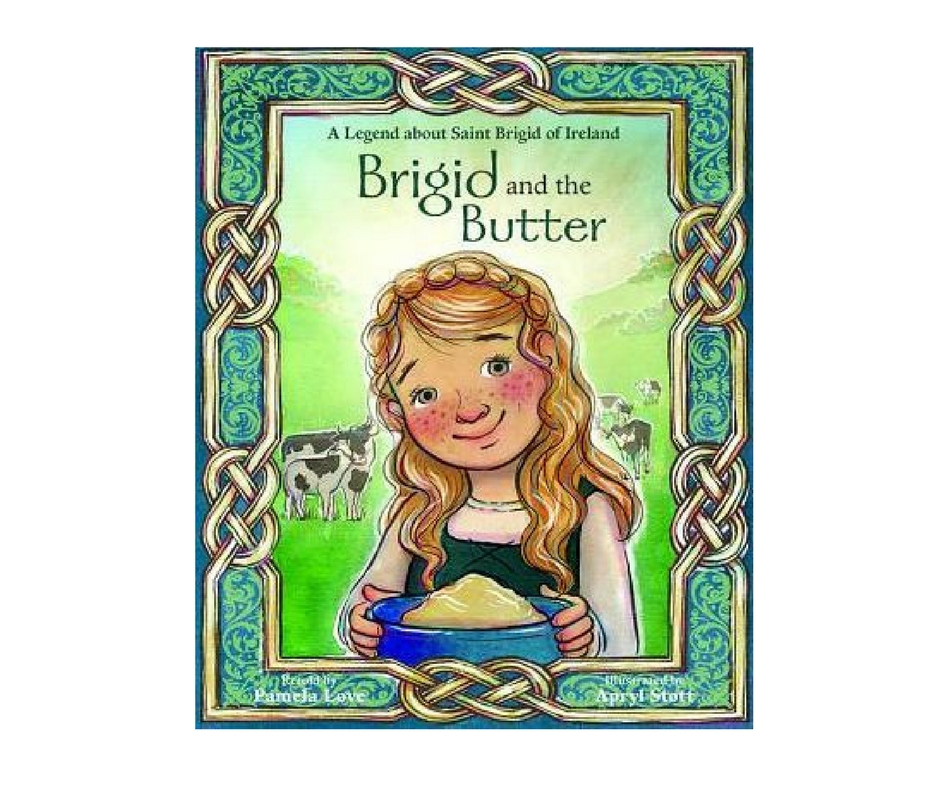
St. Brigid was known for her charity and freely gave whatever she had to the poor.  When just a child she gave away all the butter in her home to help feed the poor.  It is said to have been miraculously replenished when St. Brigid prayed.  Butter plays a part in some of the traditions that are celebrated on St. Brigid’s Day.  One of  these traditions includes dressing the butter churn as St. Brigid.  Another is to leave butter outside on the window sill so that St. Brigid can bless it on the eve of her feast day.  It is said she visits homes throughout Ireland to bestow a blessing on that very night.  The story of St. Brigid and the butter is captured here in this book for ages 4-7 that shares the delightful story of St. Brigid’s charity.   http://amzn.to/2nAvb6Y   (not an affiliate link)
St. Brigid is known for founding a monastery called the Church of the Oak on the site of a pagan shrine to the Celtic goddess Brigid.  She is known for helping to establish communal consecrated religious life for women in Ireland.  She also established two monastic institutions–one for men and the other for women.  In addition, she is credited with founding a school of art that was known for metalwork and illumination.  The Book of Kildare, which was lost during the Reformation, was created at the school and was said to have been so beautifully illuminated it was as if done by angels.

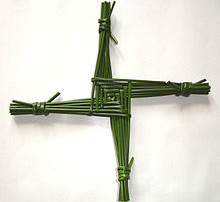
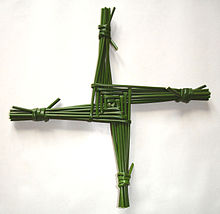
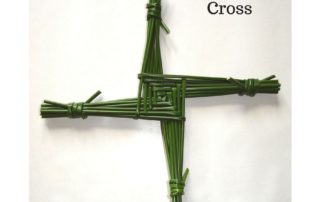
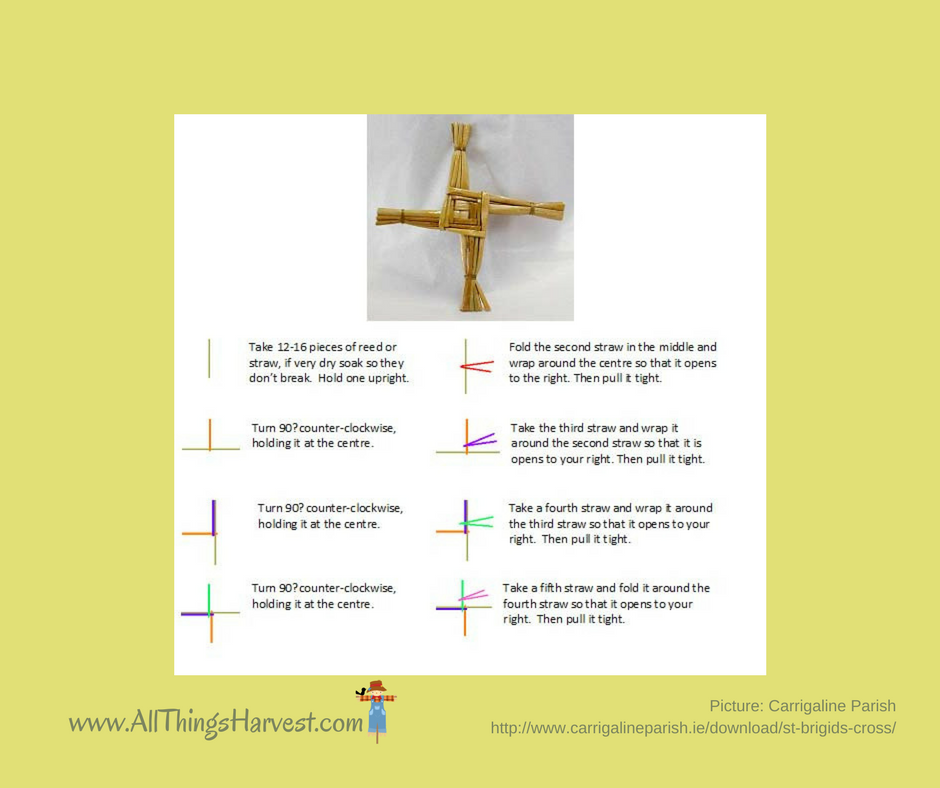
The most common symbol of the day is St. Brigid’s cross which is made from rushes or straw.  The tradition includes making a cross that would then be hung within the home or at the front door as a symbol of blessing and protection of the home from fire.

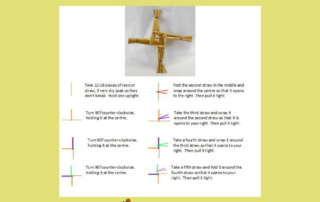
Making your own St. Brigid’s cross is a simple way to celebrate St. Brigid’s Day.  Follow this link for a larger picture of the instructions below:  http://www.carrigalineparish.ie/download/st-brigids-cross/
 

You can discover more about St. Brigid and the traditions of this day at Irish Central by following this link:   https://goo.gl/qGHzHC


Until we meet again, may God hold you in the palm of His hand.

~ An Old Irish Blessing

Marian McCoy Boveri


Sources:  Wikipedia
Catholic Online


By |Blog, Spring Blog Posts, Traditions Blog Post|Comments Off on Celebrate Traditions–Happy St. Brigid’s Day–Ireland’s First Day of Spring

Celebrate Spring Traditions–St. Brigid’s Day and St. Brigid’s Cross


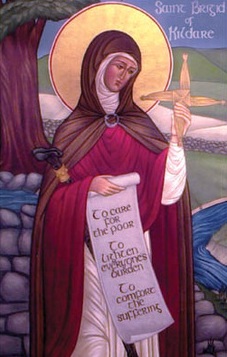
St. Brigid Source: Saint Brigid Church

St. Brigid
Source: Saint Brigid Church

February 1 is known as St. Brigid’s Day in Ireland. She is an Irish saint that was born in circa 451 AD and her feast day celebrates the arrival of Spring. In the old Irish calendar there were four quarter days that marked the shift in season and upon which celebrations were held.  St. Brigid’s Day, also known as Imbolc, was the quarter day that signified the ending of the long, hard winter and the arrival of spring. It falls about half-way between the winter solstice and the spring equinox.

It is believed that St. Brigid’s parents were Dubthach, a Leinster chieftain and a pagan, and Brocaa, a slave and a Christian baptized by St. Patrick.  When it was discovered that she was pregnant, Dubthach’s wife had Brigid’s mother sold to a Druid landowner.  Brigid was known for her charity and gave away anything she could to the the poor.   Her Druid owner returned Brigid to her father when she was about 10-years-old.  Her father soon tired of her giving away his belongings so he sought to sell her to the King of Leinster.  As Dubthach spoke with the King, Brigid gave away her father’s sword to a beggar so he could barter it for food.  The King, who was a Christian,  spoke with Brigid, saw her heart and declared, “Her merit before God is greater than ours”.  The King then convinced Dubthach to grant Brigid her freedom.

It is said that Brigid, who was very beautiful, prayed that God would remove her beauty so that she could live a consecrated life devoted to Christ rather than accept the many hands of marriage that were offered to her.  Once her father saw that her beauty had been taken, he agreed to allow her to enter a religious life.  Upon taking her vows, Brigid’s beauty was restored.

Brigid founded the first monastery for women religious in Ardagh.  Before this, women who consecrated themselves to God lived in private homes.  Shortly thereafter, the monastery was moved to Kildare and became known as “The Church of the Oak” as it was built above the shrine to the Celtic goddess of the same name which was under a large oak tree.  Brigid also founded a monastery for men as well and went on to set up monasteries all over Ireland.  It was during her travels that her Christ-given healing abilities and wisdom became known and she affectionately was called “The Mary of the Gaels”.

Brigid later founded a school of art and metallurgy that produced the Book of Kildare.  This work was said to have been “created by angels”.

A tradition in Ireland is to make a new St. Brigid’s cross for the home out of rushes or reeds on St. Brigid’s Day to insure protection of the home, especially from fire, throughout the coming year.  Legend has it that St. Brigid picked rushes from the floor and made a cross in an effort to convert a dying pagan chieftain.  “He asked her about what she was doing and, in explaining, she told him about christ and the meaning of the Cross.  He came to faith and was baptized.”

“Once the cross is woven, it is blessed with holy water and with the words:

May the blessing of God, Father, Son and Holy Ghost be on this Cross and on the place where it hangs and on everyone who looks at it.” (1)

Click here for instructions on how to make a St. Brigid’s Cross.

St. Brigid's Cross Source: Wikipedia

St. Brigid’s Cross
Source: Wikipedia

Until we meet again, may God hold you in the palm of His hand.

~ An Old Irish Blessing

Marian McCoy Boveri


Sources:

(1)  http://fisheaters.com/customstimeafterepiphany2a.html

http://www.irishcentral.com/roots/st-brigids-day-1st-february-marks-the-start-of-celtic-spring-189211061-237561961.html

http://www.catholic.org/saints/saint.php?saint_id=453

http://www.crosscrucifix.com/articlehome.htm

By |Blog, Spring Blog Posts, St. Patrick's Day, Traditions Blog Post|Comments Off on Celebrate Spring Traditions–St. Brigid’s Day and St. Brigid’s Cross